Wealth tips & tricks
Wealth Building Basics 101: Why You Need an Emergency Fund—And How to Build One

10 mins
June 30, 2025
Wealth tips & tricks
10 mins
June 30, 2025
Emergencies have terrible timing. They don’t RSVP, they don’t knock—they just barge in. And no, they’re not always life-or-death movie scenes. Sometimes, it’s your car suddenly deciding it wants a new transmission. Or your best friend’s dog swallowing your AirPods—which, of course, means you get stuck paying the vet bill and finding a replacement pair.
The point is: emergencies are sneaky, and rarely polite. An emergency fund won’t stop them from showing up, but it does mean you won’t have to greet them with a maxed-out credit card and a prayer. It’s your financial umbrella—because let’s face it, life loves an unexpected downpour.
Yet, despite all this, most people aren’t prepared. According to Finology, 75% of Indians don’t have an emergency fund. Now layer that with this: India’s household debt rose by nearly 30% between 2021 and 2024, reaching around 43% of GDP. Over half of this debt—more than 53%—is unsecured. That’s a risky mix of limited safety nets and rising liabilities.
In this article, we’ll walk you through the basics of building an emergency fund—what it is, why it matters, and how to start one that actually works when you need it most.
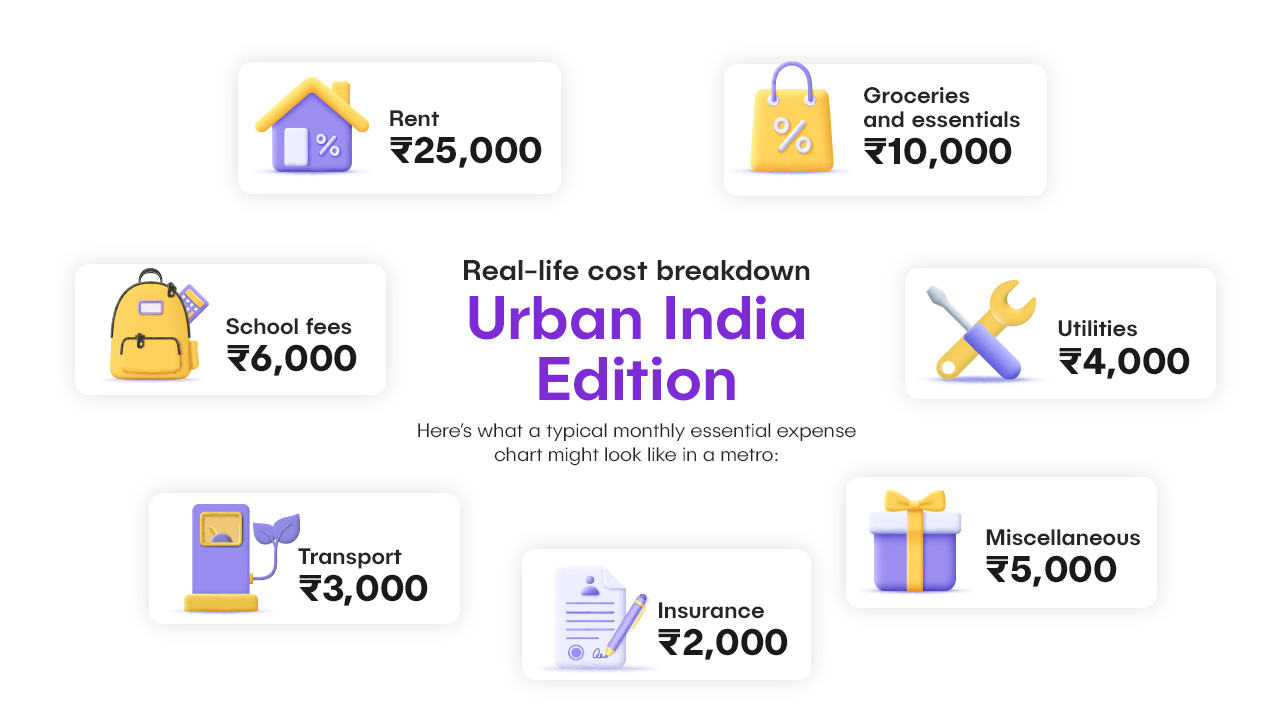
So, how much is enough for an emergency fund?
The standard advice says 3–6 months of living expenses. But let’s be honest—advice without context is like giving the same chappal size to everyone. It just doesn’t fit.
Let’s break it down based on lifestyle and profession:
Salaried (Stable income, dual earners):
Save 3–4 months of essential expenses.
You’ve got regular income, maybe a second income in the house, and EPF to fall back on. But even then—delayed salaries, medical surprises, or job switches can throw things off.
So, if you're salaried: Your Emergency Fund = ₹55,000 x 4 = ₹2.2 lakhs
Freelancers, gig workers, or single-income households:
Save 6–9 months.
When income isn’t regular, your safety net has to be stronger. No HR department to process your salary if you’re sick for a month. No LTA or paid leave. This fund is your HRA, PF, and job security—all rolled into one.
Your Emergency Fund = ₹55,000 x 6 to 9 = ₹3.3 to ₹5 lakhs
Caregivers, pre-retirement, or sandwich-generation adults:
Save 9–12 months.
If you’re taking care of aging parents, kids, or are nearing retirement yourself, your fund needs to cushion not just surprises—but also slow-burning situations like medical care, house help, or tuition hikes.
Near retirement or managing dependents? Your Emergency Fund = ₹55,000 x 12 = ₹6.6 lakhs
According to a Deloitte study, salaried Indians spend 10–15% of their monthly income on avoidable discretionary expenses. Think OTT subscriptions you forgot to cancel, late-night food deliveries, or things you add to cart “just to feel something.”
Saving for emergencies doesn’t mean sacrificing your weekend biryani or cancelling your cousin’s Goa plan. With the right approach, you can build your emergency fund quietly, consistently, and without feeling broke in the process.
Here are some easy, low-effort hacks to make it happen:
💸 1. Set and forget it:
Auto-transfer ₹500–₹1,000 to a separate account every week.
It’s like an EMI to your future self. You won’t miss it—but you will thank yourself when an actual emergency knocks.
🎁 2. Bonus = Base
Got a bonus or annual hike? Instead of blowing it on impulse purchases, use a part of it to set the base of your emergency fund.
Even ₹10,000–₹15,000 upfront gives you a head-start.
📱 3. Use round-up apps (where available)
Some fintech apps let you save your spare change—say, if you spend ₹47, it rounds it up to ₹50 and moves the ₹3 to savings. It adds up. Quietly, like a superpower that no one needs to know about.
An emergency fund might not be flashy. It won’t show off, it won’t trend.
But it quietly holds the fort when everything else feels uncertain.
It helps you breathe easier, think clearer, and plan better.
And the best time to start one? Not someday. Not later. Now.
So, before you close this article, take one small step:
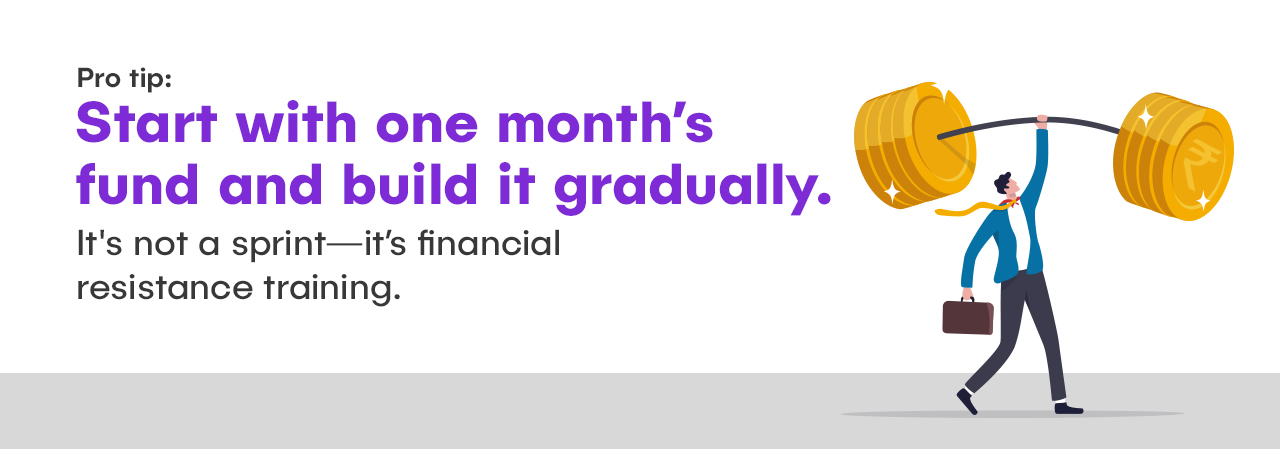
Calculate how much you’d need to cover 3–6 months of your essential expenses.
Or better yet, set up your first auto-transfer—even if it’s just ₹500.
Disclaimer: The information in this article is compiled from various sources and is not to be taken as a substitute for professional advice on managing finances, reader discretion is advised.
.svg)
.svg)
axio (formerly known as Capital Float, Walnut & Walnut 369) is the brand name of CapFloat Financial Services Private Limited, an NBFC registered with the RBI.
© 2025 axio. All rights reserved

