Financial Awareness
Budget 2024-2025: Key Updates

10 mins
May 27, 2025
Financial Awareness
10 mins
May 27, 2025
In February, Finance Minister Nirmala Sitharaman presented the Interim Budget, a preliminary financial plan before the elections, in the Lok Sabha. In her seventh budget speech, she announced significant changes, including an increased standard deduction and revised tax rates for salaried individuals under the new tax regime. Additionally, there were cuts on customs duties for gold, silver, mobile phones, and other goods.
Revised Tax Rates under the New Tax Regime
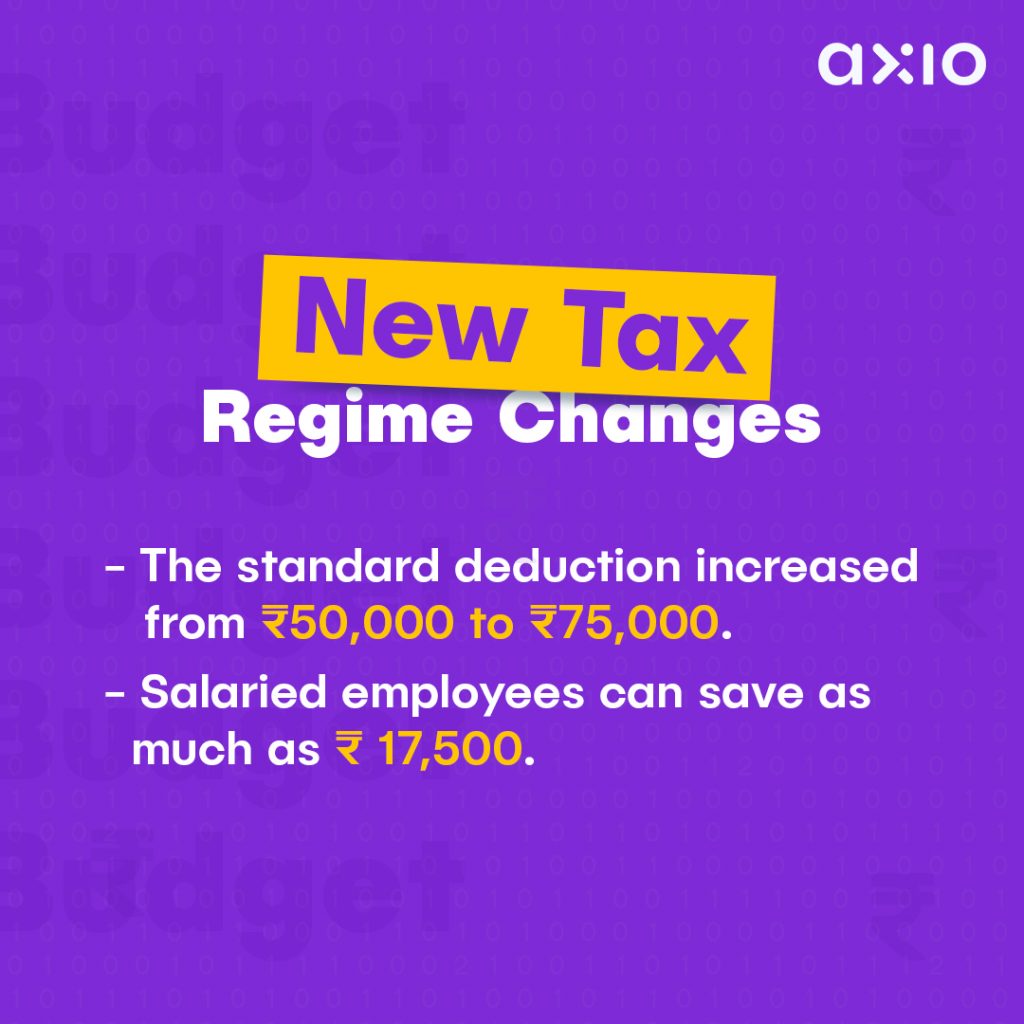
The standard deduction increased from ₹50,000 to ₹75,000.
New tax slabs:
₹0-3 lakh: Nil
₹3-7 lakh: 5%
₹7-10 lakh: 10%
₹10-12 lakh: 15%
₹12-15 lakh: 20%
Above ₹15 lakh: 30%
These new tax slabs could help a salaried employee save up to ₹17,500 in income taxes.
Financial Support for Higher Education Loans

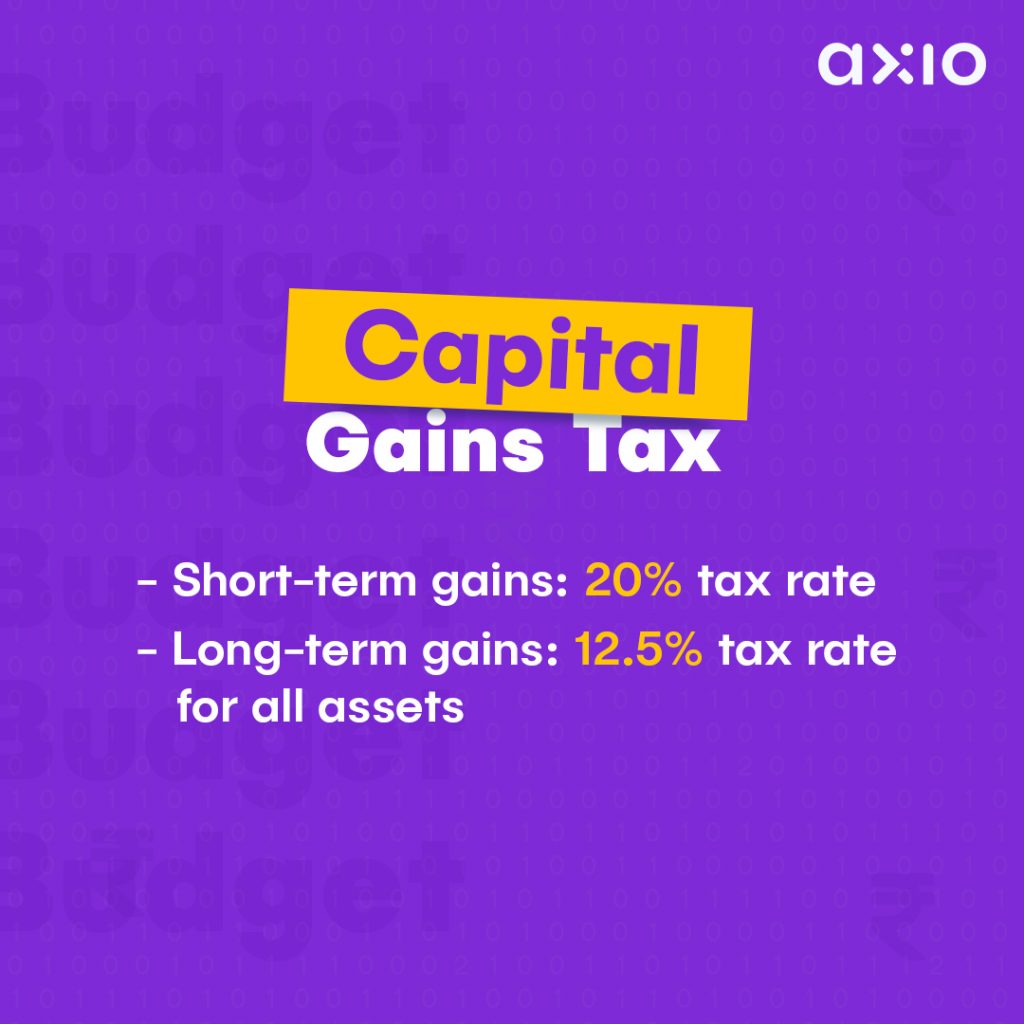
Tax on Capital Gains
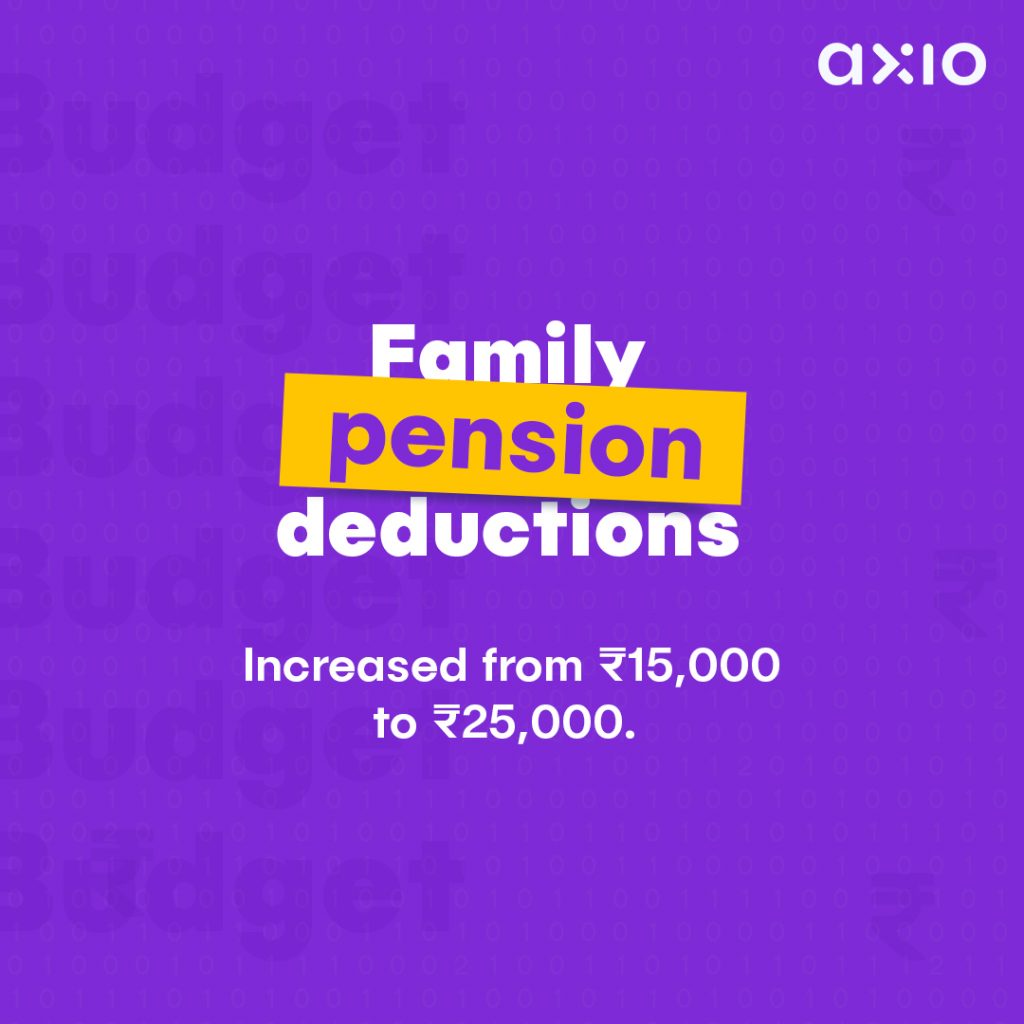
Family Pension Deduction
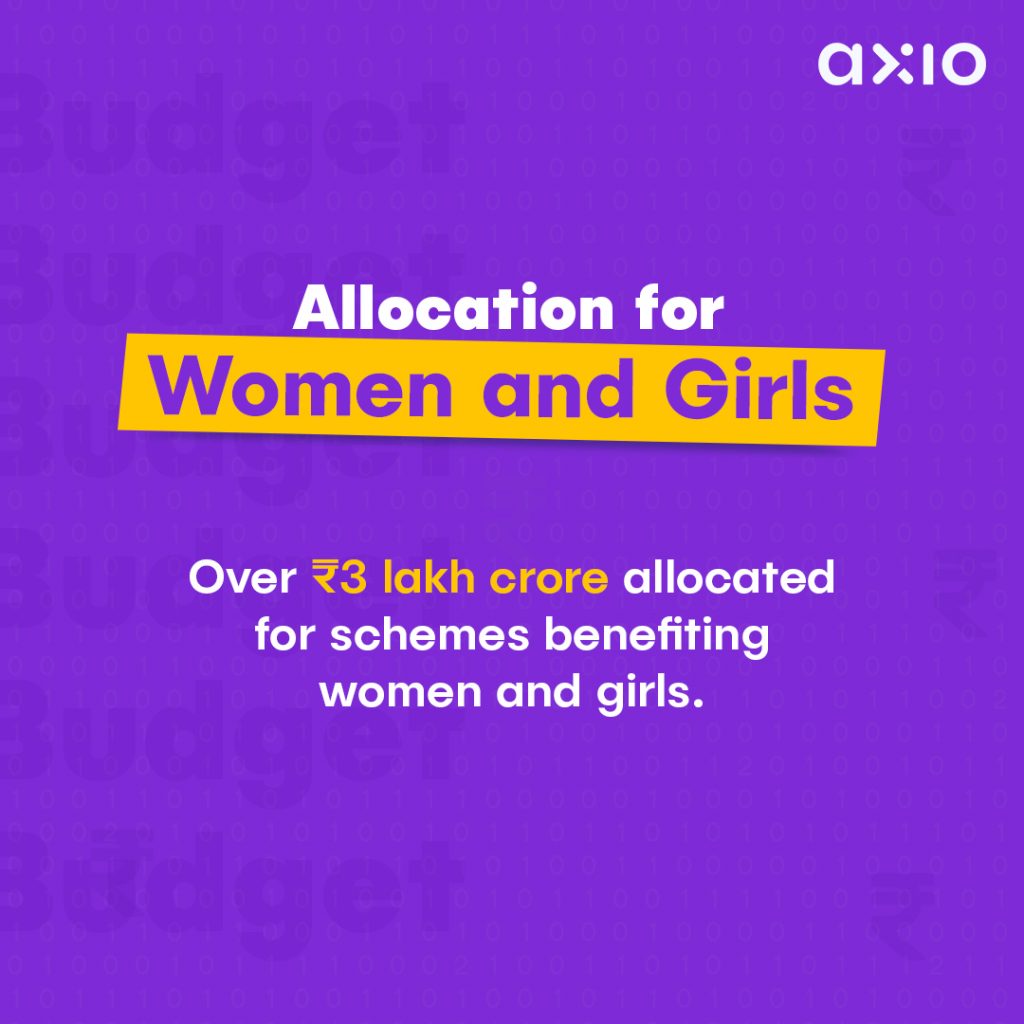
Allocation for Women and Girls
Conclusion
The Budget 2024-2025 introduces several noteworthy changes aimed at enhancing financial stability for various demographics, including salaried individuals, students, first-time employees, pensioners, and women. By revising tax rates, increasing standard deductions, and providing substantial financial support for education and employment, the government aims to ease financial burdens and foster economic growth. The focus on capital gains tax adjustments and significant allocations for women's welfare further highlights a comprehensive approach to addressing diverse needs. These measures collectively reflect a commitment to fostering an inclusive and supportive economic environment for all citizens.
Disclaimer: The information in this article is compiled from various sources and is not to be taken as a substitute for professional advice on managing finances, reader discretion is advised.
.svg)
.svg)
axio (formerly known as Capital Float, Walnut & Walnut 369) is the brand name of CapFloat Financial Services Private Limited, an NBFC registered with the RBI.
© 2025 axio. All rights reserved

